
Guides
Six guides to sous vide, in reading order
Each guide covers one part of cooking in a water bath, in plain language, with its figures taken from US government food-safety guidance. Read them in order the first time; after that, the safety table is the page to keep open.
-
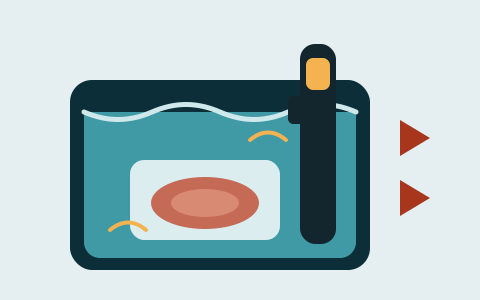
Guide 01
How sous vide cooking works
What sous vide means, why a water bath held at one temperature behaves differently from an oven or pan, and why time matters as much as temperature.
-
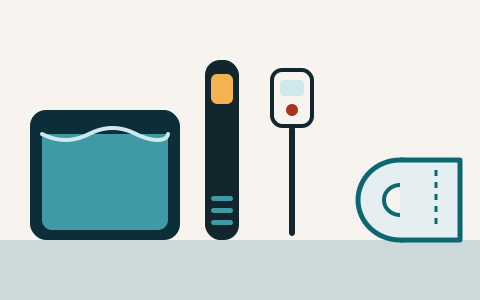
Guide 02
Equipment and setup for a home water bath
The kinds of equipment a home sous vide setup uses, why an independent thermometer matters, and how to prepare a clean, safe workspace before you start.
-
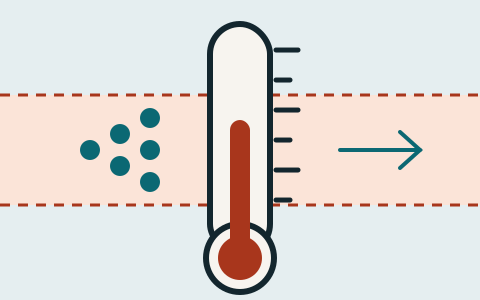
Guide 03
Food safety and the danger zone
Why the temperature range from 40°F to 140°F matters so much in low-temperature cooking, what sealed bags change, and who needs to take extra care.
-
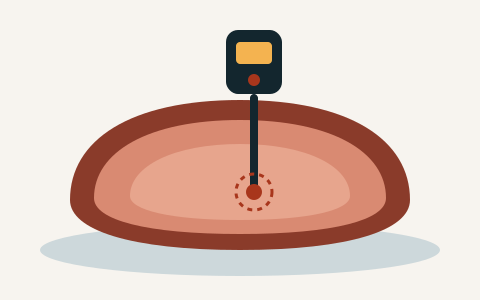
Guide 04
Cooking temperatures and doneness are different questions
How safe minimum internal temperatures differ from doneness, why colour is not a safety test, and what to do when a recipe asks for less than the government guidance.
-
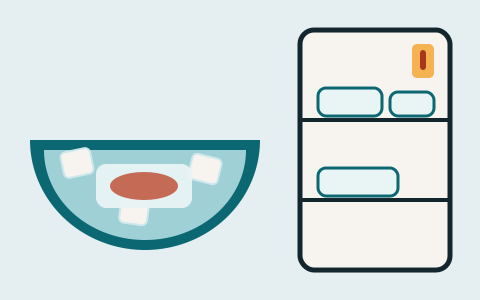
Guide 05
Chilling, storing and reheating sous vide food
How to cool cooked food quickly, how long it keeps in the refrigerator and freezer, and the temperature government guidance gives for reheating leftovers.
-
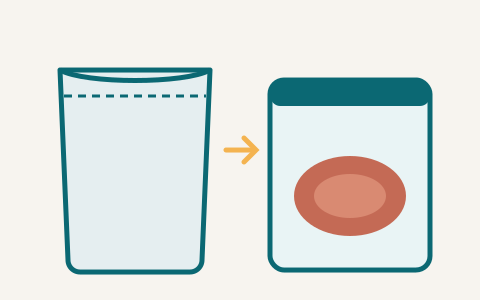
Guide 06
Bags and plastics: what is known and what is not
How food-contact materials are regulated in the United States, how to choose and seal a cooking bag sensibly, and what this handbook does not claim about plastics.
-
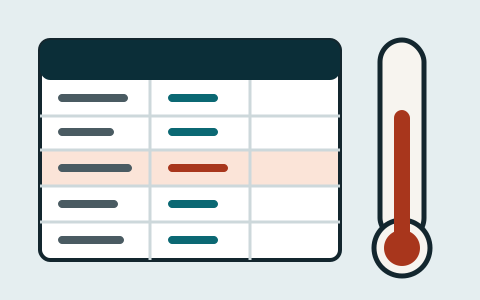
Reference
Time and temperature safety table
Safe minimum internal temperatures, refrigerator and freezer settings, the danger zone and storage times, each taken from US government food-safety guidance.